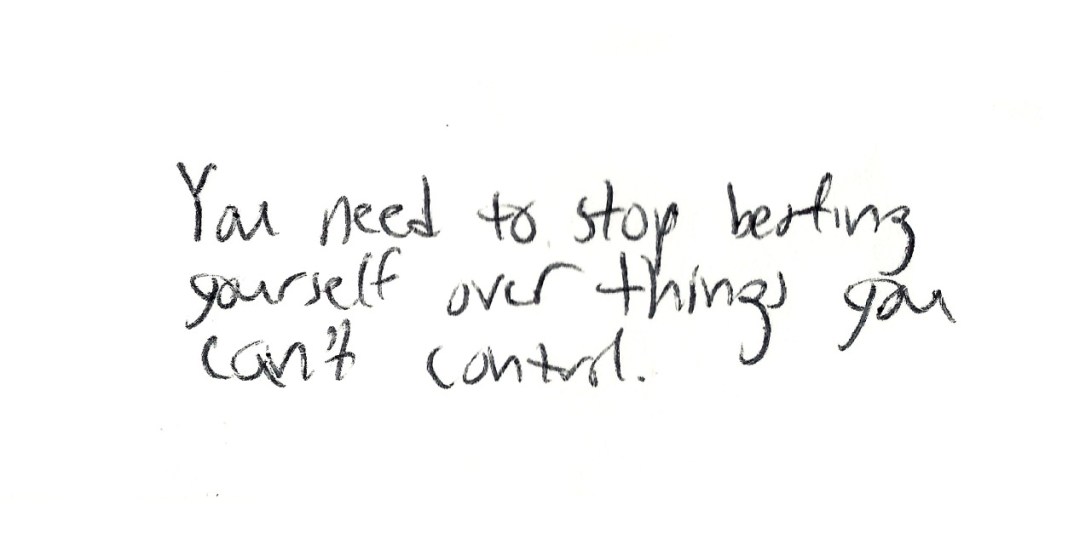
I’m falling apart again but I’m too tired to care.
It’s exciting when you find parts of yourself in someone else.
Annaka Silvia (via ohteenscanrelate)

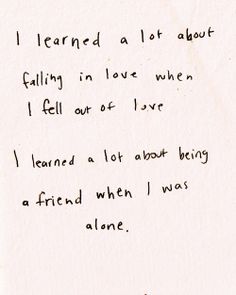
Having separation anxiety makes my life so fucking difficult. I have the hardest time letting anything go if it meant something to me at some point. Even if it’s a person who is toxic to me, I will always feel like I still need them because I can’t function properly if I try letting go. My sides…
At age 2, the anxiety is normal.
The emotional attachment is welcomed,
a natural part of the developmental process.At age 3, my sister is born and I
am being to clingy. I am taught
to play alone because there is always
someone more deserving of the attention.At age 5, my parents know the worst
punishment is when they take away
my stuffed animals.At age 9, I hate giving away old clothes
because I feel like I’m losing apart of myself
that doesn’t quite fit but maybe if I suck
in more of my stomach it just might.At age 13, my first crush tells me
that maybe if I didn’t try to hang around
him all the time, he might like me.At age 14, I try to hide my emotions from
my boyfriend because I don’t want to
seem to clingy but they slam at my walls
like prisoners, my body a jail, my mouth
the bars, my razors the warden.At age 15, my ex boyfriend tells me I fall
in love to fast. The everything I give
is to much. That he couldn’t handle
my jealousies, that I get attached to anyone
who shows me attention.At age 16, my friends tell me they notice how
I never show when I’m hurt but always
seem to dig my claws into someone else. How
I get jealous when they hang out with other friends.I plead them to understand that everyone in my
life has left. My body is a dam, holding back a
flood, creating a desert and the only thing left
are the single solitary oasis that define me as
a human being. My eyes will never be windows to
my soul, I’ve trained them to be glass, reflecting back
whatever you want to see. Friends…my all will always
be to much. My love will always feel like chains.Separation anxiety, a psychological condition in which an individual experiences excessive anxiety regarding separation from the people to whom the individual has a strong emotional attachment.
Translation, my love will always be to much.
A.W
(the-hello-fandom-club)

Separation Anxiety Pocket Hearts: Young children often have trouble separating from their caregivers. It sometimes helps for them to carry transitional objects (ex. a photo) with them to help manage their anxiety during time apart.
- The caregiver can make these hearts for their child on their own, or the dyad can create them together (Click here for a tutorial). The hearts can be substituted by any other handmade or personal items the family desires.
- Just before each separation the caregiver gives the child a heart representing their love and assures the child that they will be reunited. The hearts are not a substitute for taking time with the child to process their anxiety (do not “sneak out” of the house). They can tell the child that if they begin to miss them then they can take out their heart and know that their caregiver loves them, is thinking of them, will come back, etc. Sometimes it might help for the parent to carry around a heart as well representing that their child is always in their thoughts and they are connected (kids like this).
- If possible, take baby steps. Initially, a child might use a heart for a brief separation when the parent is in another room, and then move on to short outings that get progressively longer as the jar gets fuller.
- Each time they are reunited they place their heart in a jar. Children may have trouble recalling all the times their caregivers returned and this provides a nice visual. Looking at their jar will help to assure them that their caregivers always come back.
- Ideally, separations will become easier and they will look to the heart for support less and less until they no longer need it. At this point just thinking about their jar back at home should become enough to assuage any remaining anxiety.
- These hearts are a supplemental intervention. It is more effective when caregivers commit to building trust, following through with what they say will do, and continue to talk to their children about separation and encourage self-expression.
- I have also known children who used a calm bottle to help self-regulate after their caregivers leave (click here)
- More suggestions for dealing with separation anxiety and promoting independence can be found here.

