I’ve survived a lot of things, and I’ll probably survive this.
J.D. Salinger (via thedapperproject)
I’ve survived a lot of things, and I’ll probably survive this.
One of the risks of being quiet is that other people can fill your silence with their own interpretation: You’re bored. You’re depressed. You’re shy. You’re stuck up. You’re judgmental. When others can’t read us, they write their own story—not always one we choose or that’s true to who we are.
daddy issues = not funny
being traumatized by a father figure to the point where you can’t trust any man = not funny
getting scared of men raising their voices = not funny
living your whole life wondering why your dad abused you/left with no explanation = not funny
literally stop using the phrase daddy issues
darling,
the person that hurts you
will not stick around
to stitch you up,
so you better learn
to heal yourself
with your own two hands.


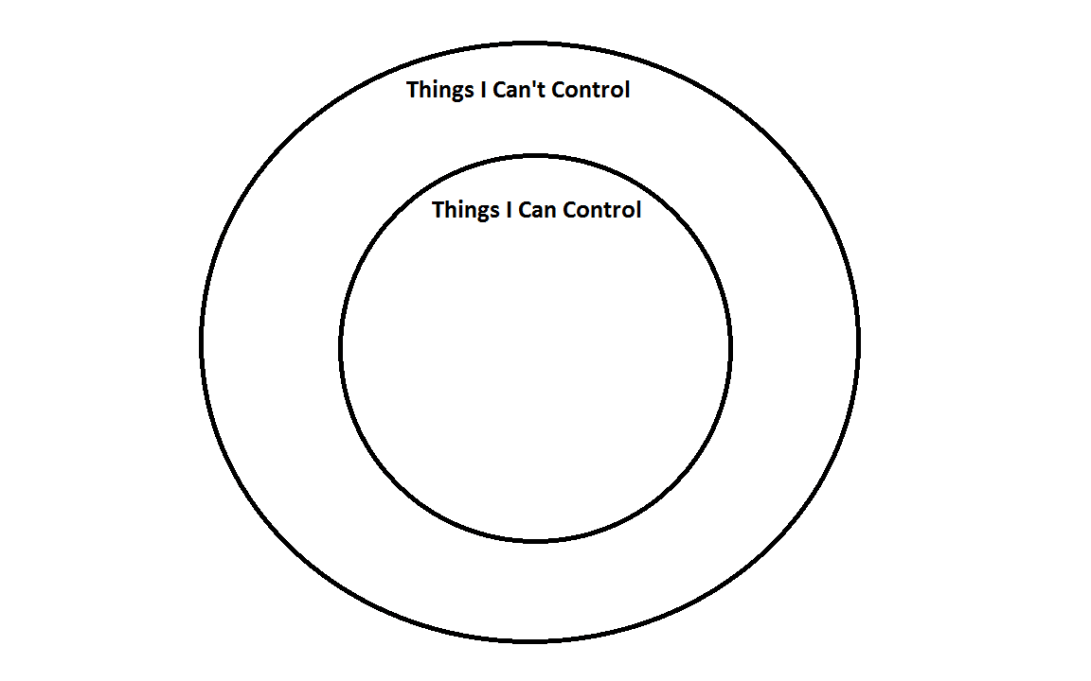
Control is something that comes up often during my sessions. Survivors have had their power taken away from them in the worst ways, and regaining control in their life can be difficult. It’s even harder for teenagers, who already have little control in their lives as it is. When clients tell me how they are feeling overwhelmed due to feeling like they have little control in their lives, I have the create “Control Circles”.
On a sheet of paper I have the client draw a small circle, and a bigger circle around it. In the center circle, I have them write all the things they can control (sometimes they may need help this section; if they are having difficulty, ask them if they can control what they eat, what they wear, how they handle their feelings, how they treat others, etc.). On the outside circle, I have them write things that they can’t control in their lives (try to gently direct them to keep it more on an individual level of things that affect them, otherwise they may have a pretty big list of things that may not actually be currently affecting them, such as war).
Most of the time people will list more things they can control than they can’t. In this case, this activity is a great tool to help them keep things in perspective. Remind them that although they may feel overwhelmed by the things they can’t control, they still have more power in their life than they realize. If a person lists more things out of their control than in their control, use it as an opportunity to assist them in exploring what they could do or change to help them feel more in control (i.e. setting boundaries, time management, cooking, etc.).
I have found this to be useful for working with both teens and adults. Idea inspired from The Creative Counselor